

Sustainable Expansion: Institutionalizing ESG in Your Africa Growth Strategy
As businesses expand their operations into the dynamic and diverse markets of Africa, they have a unique opportunity to integrate Environmental, Social, and Governance (ESG) principles into their expansion plans. ESG is no longer just a buzzword; it has become a fundamental aspect of responsible business growth. In this article, we’ll explore the importance of institutionalizing ESG in your Africa expansion strategy and how it can drive sustainable success in the region.
Understanding ESG in the African Context
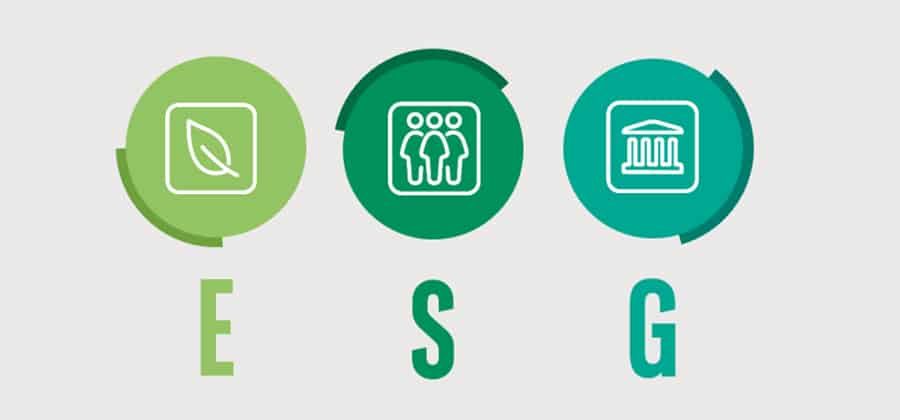
Environmental Responsibility: Africa is home to rich biodiversity and valuable natural resources. Companies expanding into the continent must consider their environmental impact, including sustainable sourcing, energy efficiency, and waste reduction.
Social Impact: Africa’s diverse communities have unique needs and challenges. ESG principles demand a focus on social responsibility, including supporting local communities, promoting fair labor practices, and ensuring diversity and inclusion.
Governance Excellence: Transparent and ethical governance is critical for building trust and ensuring long-term success in African markets. Strong governance includes anti-corruption measures, ethical leadership, and compliance with local laws and regulations.
Why ESG Matters in Africa
1. Stakeholder Expectations: Stakeholders, including customers, investors, and governments, increasingly expect companies to operate responsibly. ESG practices demonstrate your commitment to ethical and sustainable business.
2. Risk Mitigation: ESG helps mitigate risks associated with social and environmental issues, such as regulatory fines, reputational damage, and supply chain disruptions.
3. Market Access: Many African markets value businesses that prioritize ESG. It can be a competitive advantage when entering or expanding in these regions.
Institutionalizing ESG in Your Expansion Plans
1. ESG Integration: Make ESG an integral part of your company’s culture and strategy, from the boardroom to the frontlines. Set clear ESG goals and measure progress regularly.
2. Local Partnerships: Collaborate with local organizations and NGOs to understand the specific ESG challenges and opportunities in your target markets. Local insights are invaluable.
3. Supply Chain Responsibility: Ensure that your supply chain adheres to ESG principles, from sourcing raw materials to final product distribution. Sustainable supply chains resonate well with conscious consumers.
4. Community Engagement: Engage with local communities through initiatives that address their unique needs. This could include education programs, healthcare support, or infrastructure development.
5. Employee Development: Invest in your workforce by providing training, promoting diversity and inclusion, and ensuring safe and fair working conditions.
6. Transparency and Reporting: Be transparent about your ESG efforts through regular reporting. Many stakeholders value companies that are open about their progress and challenges.
Measuring Impact and Progress
1. Key Performance Indicators (KPIs): Define measurable KPIs related to ESG goals and track them diligently. This allows you to assess the impact of your efforts and make necessary adjustments.
2. Third-Party Verification: Consider third-party ESG assessments and certifications to validate your commitment to sustainable practices.
Conclusion
Incorporating ESG principles into your business expansion plans in Africa is not just a moral imperative; it’s a strategic advantage. By aligning your business practices with environmental, social, and governance responsibilities, you can build trust, mitigate risks, and create long-term value in African markets. Talents and Skills Africa Consulting LLC understands the importance of ESG in modern business and is ready to support your efforts to institutionalize ESG in your Africa expansion strategy. Contact us today to explore how we can assist your organization in achieving sustainable growth in the region while positively impacting communities and the environment. Together, we can shape a brighter and more responsible future for African business expansion.