
Your Best Employees Are Watching: Why Employee Retention Starts Long Before Resignation
When organizations think about employee retention, the conversation often begins when an employee submits a resignation letter. By then, however, the decision to leave has usually been developing for weeks, months, or even years.
The reality is that employee retention starts long before an employee considers leaving. It begins with the daily experiences employees have within the workplace and how those experiences shape their perception of the organization.
Employees Are Always Evaluating Their Experience
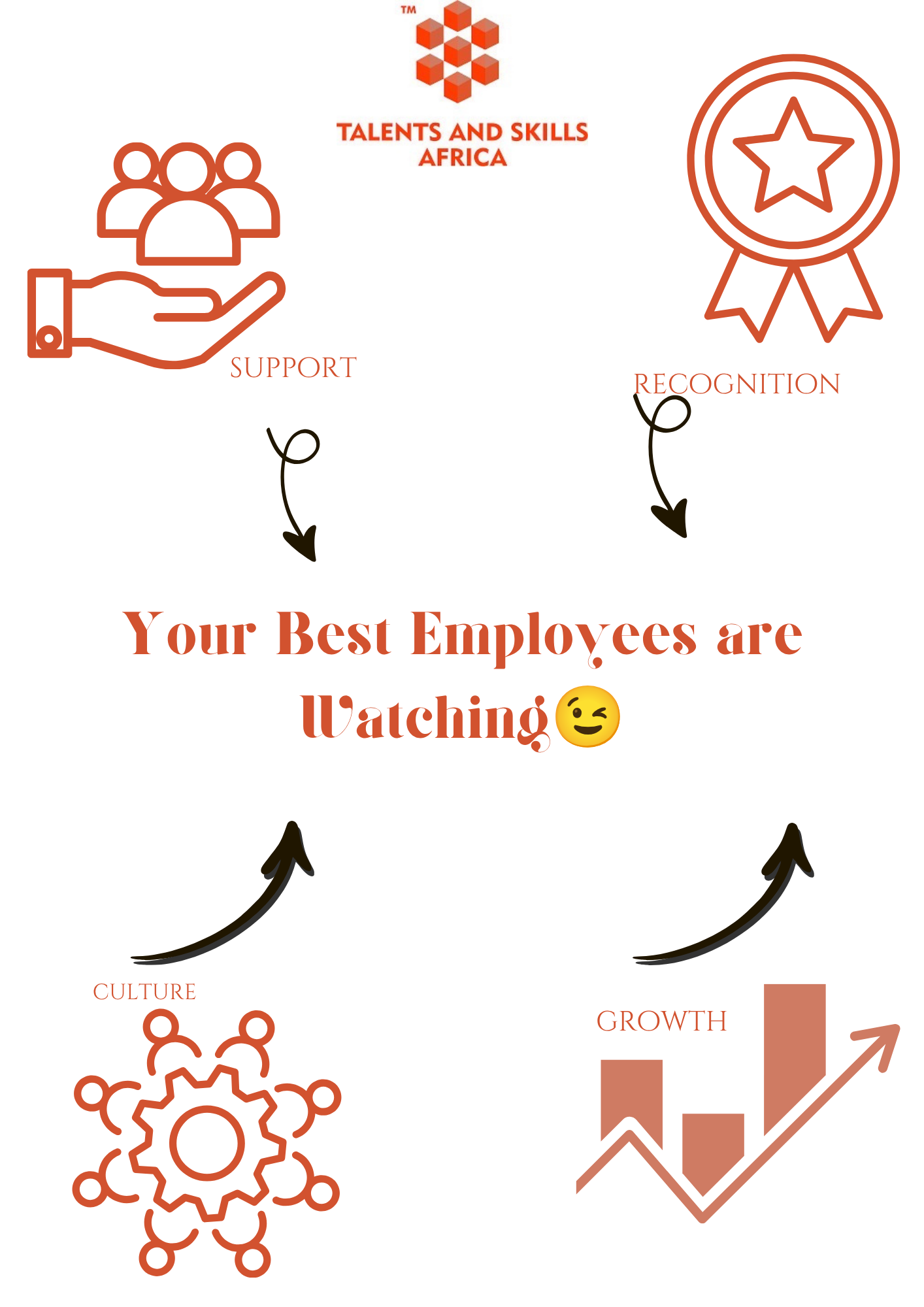
Every interaction contributes to an employee’s overall experience. Employees pay attention to how they are treated, how communication flows within the organization, whether their contributions are recognized, and whether they have opportunities to grow.
While compensation remains important, it is no longer the sole factor that determines whether employees stay. Today’s workforce values purpose, recognition, flexibility, professional development, and a positive workplace culture.
When these elements are missing, even high-performing employees may begin to disengage.
The Hidden Cost of Employee Turnover
Losing a valuable employee affects more than just a vacant position.
Organizations often experience reduced productivity, disruptions to team performance, increased recruitment costs, onboarding expenses, and the loss of institutional knowledge. In many cases, replacing a skilled employee can cost significantly more than retaining one.
This is why proactive retention strategies are essential for long-term business success.
What Makes Employees Stay?
Organizations that successfully retain top talent often focus on a few key areas:
1. Recognition and Appreciation
Employees want to know that their efforts matter. Regular recognition helps build morale and encourages continued engagement.
2. Opportunities for Growth
Career development opportunities demonstrate that the organization is invested in its people. Employees are more likely to stay when they can see a future within the company.
3. Effective Communication
Open and transparent communication builds trust. Employees who feel informed and heard are more likely to remain committed to the organization.
4. Positive Workplace Culture
A supportive culture creates an environment where employees feel respected, valued, and motivated to contribute their best work.
5. Strong HR Practices
Efficient HR systems and people-focused policies help create consistency, fairness, and a better employee experience across the organization.
Building a Workplace People Want to Stay In
Employee retention is not about convincing people to stay when they decide to leave. It is about creating an environment that makes them want to stay in the first place.
Organizations that prioritize their people often benefit from stronger engagement, higher productivity, improved performance, and a more resilient workforce.
At Talents and Skills Africa, we help organizations build stronger workplaces through strategic HR solutions, workforce management support, and people-focused practices that drive long-term success.
Because your best employees are always watching. The question is: are they seeing reasons to stay?
This blog is ideal for your website because it’s educational, positions Talents and Skills Africa as an expert, and subtly promotes your HR services without sounding like an advertisement.